Comfort loads
Central air and heat pumps are often among the largest and most important loads. Their running demand and startup behavior have to be included in the generator plan.
Plan the complete backup system
The right generator is not chosen from square footage alone. It has to match the loads you want, the way motors start, the fuel available at the property, the transfer equipment, and the installation path.

Start with the outage you want to live through
Whole-home backup can mean different things. One homeowner wants nearly normal operation. Another wants cooling, refrigeration, a well pump, lighting, internet, and a few essentials. That decision comes first.
Central air and heat pumps are often among the largest and most important loads. Their running demand and startup behavior have to be included in the generator plan.
Well pumps, sump pumps, refrigerators, freezers, and water systems may be essential during an extended outage. Pumps and compressors also bring starting demand.
Electric ranges, ovens, dryers, and water heaters can consume a large share of generator capacity. Fuel-fired appliances often reduce electrical demand but still need controls and blowers powered.
Medical equipment, internet, home offices, security systems, garage doors, and charging needs can be prioritized even when the project does not carry every high-demand appliance at once.
What the simple calculators miss
A generator estimate should turn the actual home into an operating plan. These are the variables that separate real sizing from a rough guess.
We total the equipment expected to operate during an outage and consider which loads may run together.
Compressors, pumps, and motors can pull a short surge at startup. That moment can determine whether equipment starts cleanly or the generator bogs down.
Selected large loads can be staged or shed so the generator protects essential circuits without carrying every demand simultaneously.
Manufacturer output varies by model and fuel. The meter, piping, regulator, propane storage, and run length must support the equipment under load.
Panel layout, service rating, transfer-switch type, conductor sizing, grounding and bonding, and existing equipment shape the installation.
A planned pool, shop, HVAC replacement, EV charger, addition, or electric appliance can change a system that looked adequate today.
The load homeowners feel first
Keeping the house cool is often the reason a homeowner wants standby power. The air conditioner cannot be treated like a light bulb.
A compressor may require substantially more power to start than it uses once it is running. The generator must handle that event while other connected loads are already operating.
Dave's has HVAC and electrical experience under one roof. We can look at the generator and the cooling equipment as one operating system. In some homes that means more generator capacity. In others it means load management, equipment staging, or a carefully selected starting solution.

Turn calculations into a real project
The cleanest generator projects settle the major decisions before crews arrive, equipment is set, or the home has to be interrupted.
Choose a stable, drained, serviceable location that fits equipment instructions, property conditions, and practical electrical and fuel routes.
Confirm gas or propane capacity, transfer equipment, panel configuration, conductor routes, grounding and bonding, and related service work.
Handle applicable approvals, inspection coordination, equipment delivery, site preparation, and utility or meter steps in the right order.
Complete startup and functional transfer checks, resolve inspection items, clean the work area, and explain controls and maintenance.
Google Customer Reviews
Google review excerpts from homeowners in Spartanburg, Taylors, Greer, Wellford, and across the Upstate.
Darryl Thomas
★★★★★ Spartanburg, SC“Dave was very nice and informative. He did a great job making the necessary repairs along with installation of our generator.”
complo
★★★★★ Spartanburg, SC“Product and service is impeccable and Dave is the kind of person you want at your home or business.”
Sylynda T.
★★★★★ Spartanburg, SC“Super nice and explained everything in a way I understood.”
Charles C.
★★★★★ Taylors, SC“Excellent work. The tech explained what he was doing and why.”
Karli S.
★★★★★ Greer, SC“Prompt, efficient, and very knowledgeable.”
Cass G.
★★★★★ Spartanburg, SC“Timely, professional, and the explanations were thorough.”
Nathaniel H.
★★★★★ Spartanburg, SC“Great customer service and communication. Very thorough work.”
P. Springfield
★★★★★ Wellford, SC“Excellent service and great communication at a reasonable price.”
Review excerpts are shortened for layout from Dave’s Google reviews.
Read Our Google ReviewsThe system behind the rating
The final system includes more than a kilowatt number. The generator, transfer equipment, site, fuel connection, and home electrical system all have to agree.


Generator service paths
Move from planning to a full installation estimate, compare generator brands, or get service for equipment you already own.
See Dave's complete generator installation approach across Upstate SC.
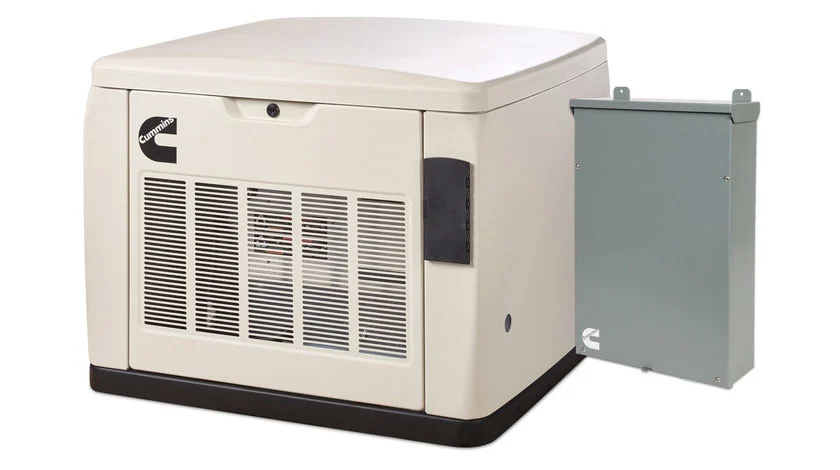
Start an estimateExplore QuietConnect equipment from an authorized Cummins generator dealer.
View CumminsSee how Dave's plans and installs Generac standby generator systems.
View GeneracGenerator Service Areas
Tap a city for local service details and availability.
Straight answers
A generator guide should help you ask better questions before you buy. These answers cover the decisions that most often change the equipment or installation scope.
The answer depends on what you want to run, not only the home's square footage. HVAC equipment, well pumps, refrigeration, electric water heating, cooking, shops, pools, and other motor or resistance loads can change the plan. Starting demand and the available fuel supply matter too.
Running load is the power equipment uses after it is operating. Starting load is the short surge some motors and compressors need when they turn on. A generator can appear large enough on running watts and still struggle when an air conditioner or pump starts.
Sometimes. Load-management controls can delay or temporarily shed selected high-demand equipment so essential loads stay powered without everything starting at once. The strategy has to fit the generator, transfer equipment, electrical layout, and priorities in the home.
Yes. Generator output can differ by model and fuel. The available gas pressure, pipe size, run length, regulator, meter capacity, propane tank, and other connected appliances also affect whether the equipment can receive the fuel it needs under load.
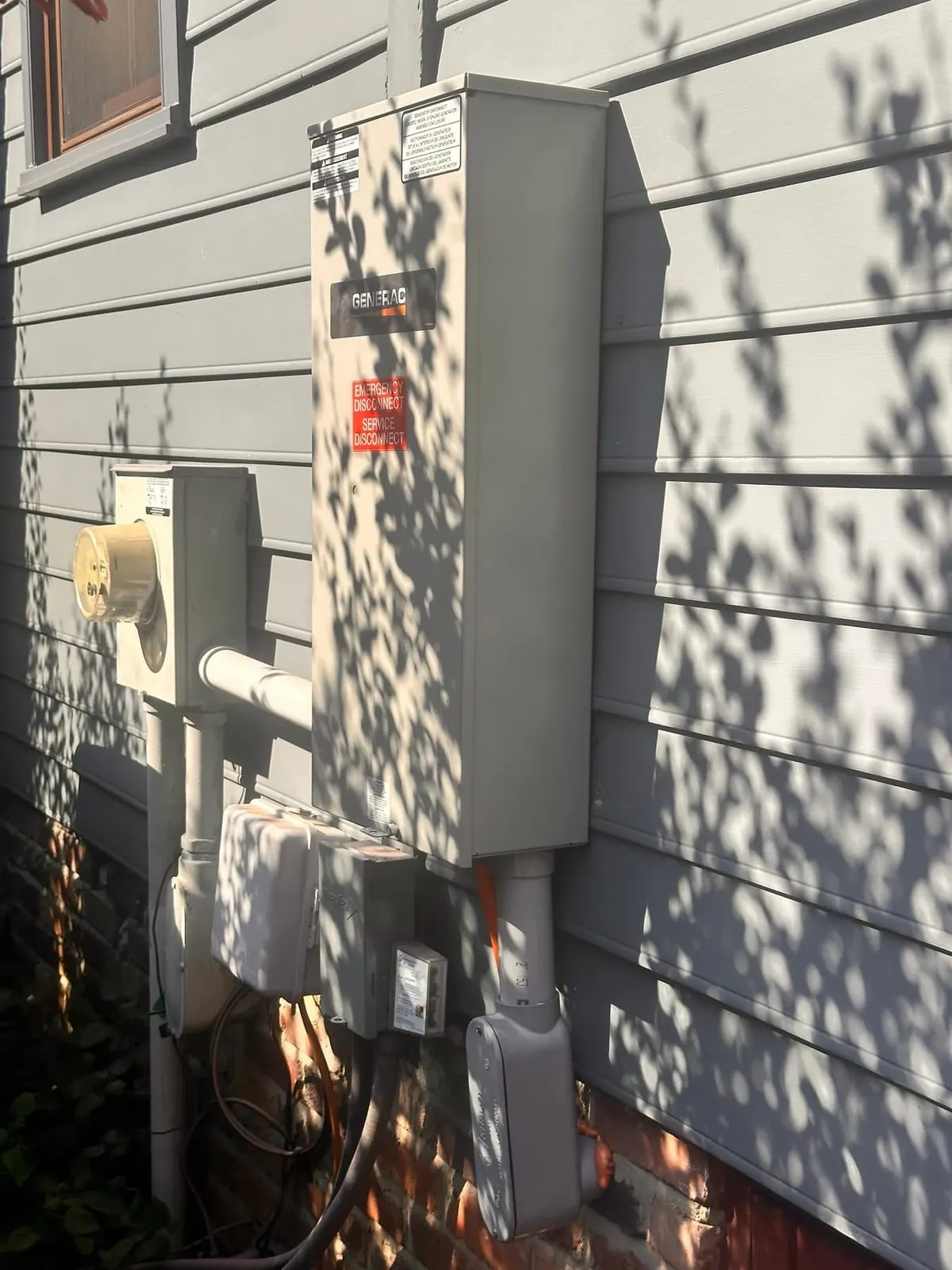
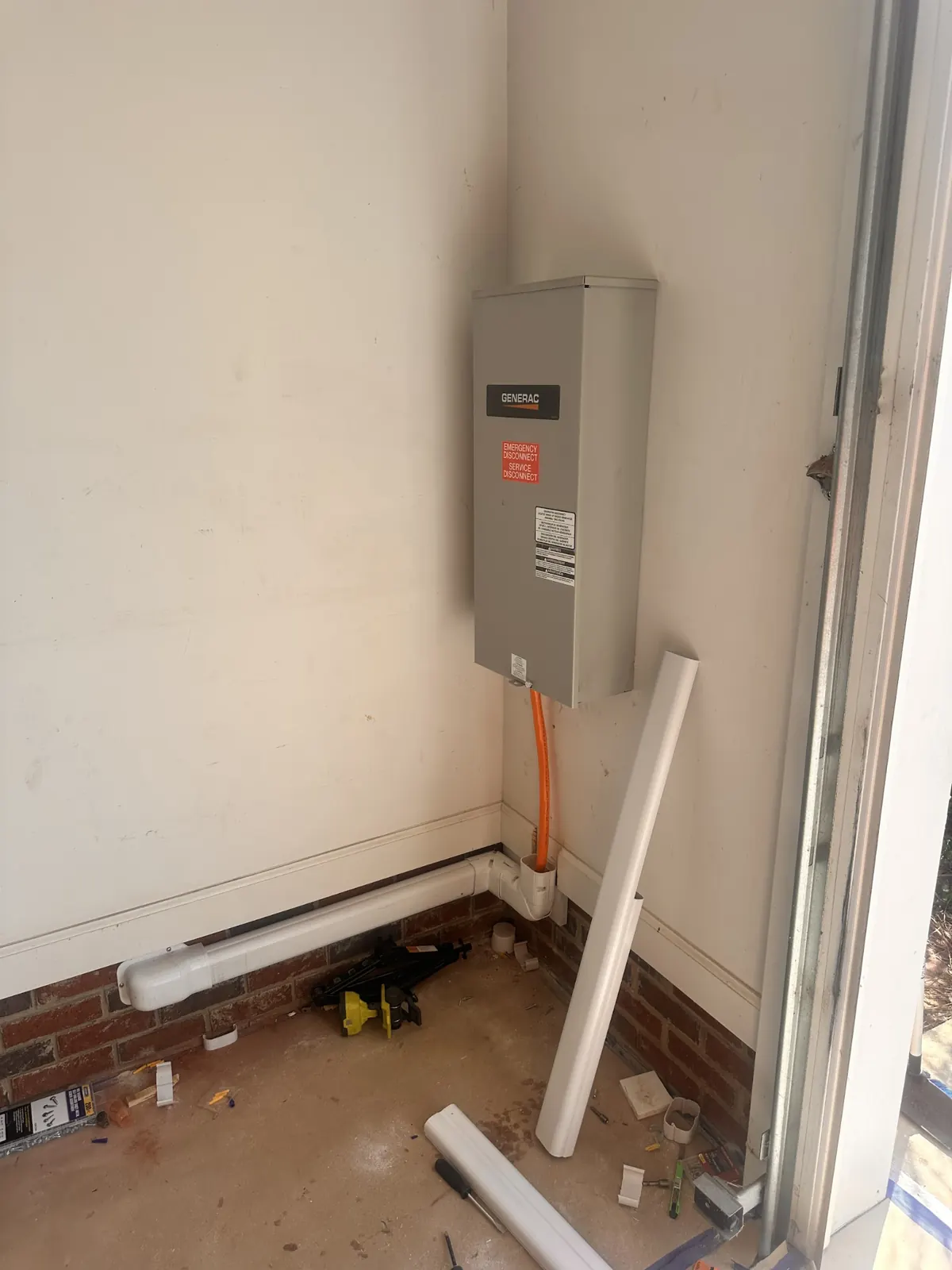
The automatic transfer switch monitors utility power and connects the planned home loads to generator power when an outage occurs. When utility service returns, it transfers the home back and allows the generator to cool down and stop. The switch must match the service and backup strategy.
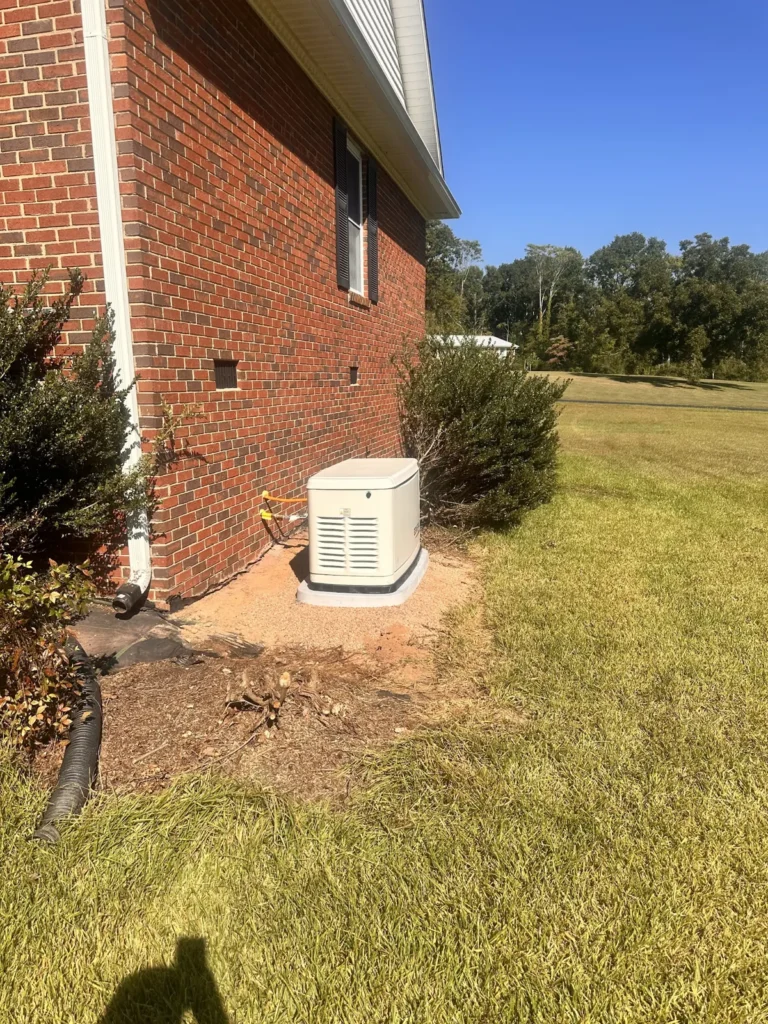
The location must satisfy the generator manufacturer's instructions and applicable local requirements while remaining stable, well drained, accessible for service, and practical for the electrical and fuel routes. Windows, doors, vents, property layout, grade, and working clearances can all affect placement.
Yes. Dave's handles applicable generator permits, inspection coordination, and utility or meter coordination when the project requires it. We also identify related panel, service, gas, or propane work before installation instead of leaving those items for the homeowner to untangle.
Commissioning follows the equipment requirements and includes functional checks of the generator and transfer sequence. We verify the system responds as designed, confirm the intended operating setup, and explain the controls and maintenance expectations to the homeowner.
Ready when the grid is not
Dave's looks at your loads, HVAC startup, fuel source, transfer equipment, electrical service, property layout, and backup priorities before recommending equipment.