If you’re thinking about upgrading your water heater in Spartanburg, you’ve probably wondered whether switching to a tankless model is really worth it. The truth is, there’s no one-size-fits-all answer—but with our experience at Dave’s Air Conditioning Plumbing & Electrical, we’ve seen the benefits and the tradeoffs that come with tankless water heaters for local homeowners. Let’s walk through what you need to know so you can make the best choice for your Spartanburg area home.
Tankless Water Heaters: What Are They?
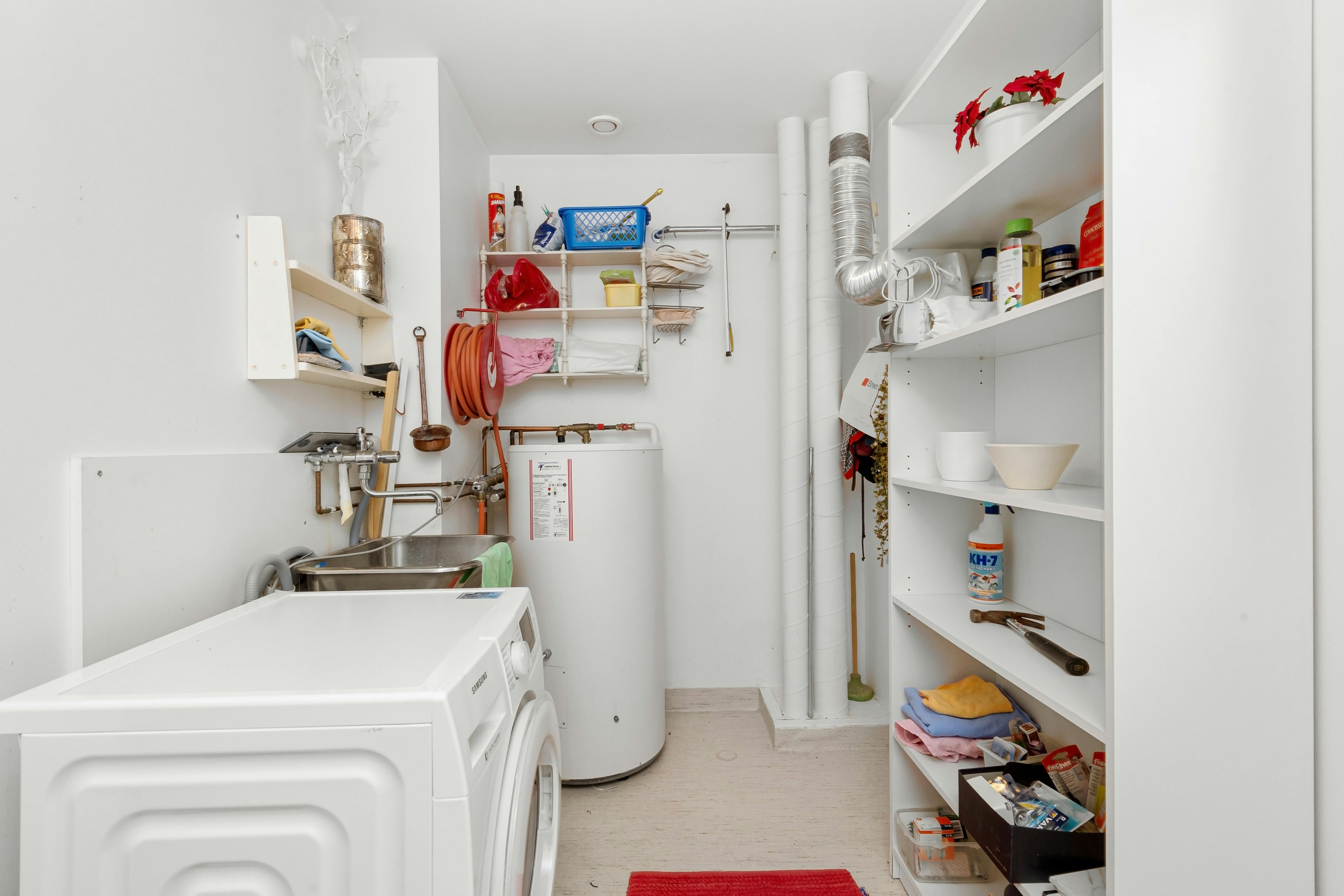
Tankless (on-demand) water heaters are pretty different from traditional tanks. Instead of keeping a whole reservoir of hot water heated all the time, a tankless unit warms up water instantly, just when you call for it by turning on a tap or appliance. When the tap closes, the heating stops. It’s a more efficient approach—especially for homes where hot water isn’t needed at all hours of the day and night.
How Does a Tankless Water Heater Actually Work?
- You turn on a hot water tap, shower, or appliance in your Spartanburg home.
- Cold water feeds into the tankless unit, passing through a heat exchanger.
- The system (either gas or electric) rapidly heats the water to your set temperature in real time.
- Water flows out at the desired temperature, directly to you. When you turn off the tap, the system shuts off.
Key Benefits for Spartanburg and Upstate South Carolina Homeowners
1. Save on Energy Bills
Since tankless units don’t keep water hot 24/7, they use less energy if you don’t have extremely high, round-the-clock hot water use. Our local customers often see lower utility bills just a few months after installation—especially in smaller to midsize homes or for those who are away during the day.
2. Endless Hot Water (With the Right Sizing)
Forget cold showers because someone else got there first. If your tankless system matches your household’s demand, you won’t run out of hot water morning or night. It’s a relief for families, especially if you have back-to-back showers or run lots of laundry.
3. Space Savers
Tankless heaters mount on the wall, freeing up valuable space in utility rooms and garages. In Spartanburg’s older homes (and many new builds), that’s a big plus—you get some square footage back, instead of giving half your utility closet to a big, clunky tank.
4. Longer Lifespan
Tankless units generally last over 20 years with proper maintenance, compared to 10–15 years for a typical tank. We make the most of this longer lifespan by offering regular maintenance and thorough inspections with every installation.
5. Strong Performance for the Upstate’s Climate
Since winters in the Spartanburg area aren’t extremely harsh, our groundwater isn’t as cold as farther north. That means tankless heaters don’t have to work quite as hard to provide hot water, making them efficient and reliable year-round when installed by an experienced, local team.
Things to Consider Before Going Tankless
Initial Cost
Tankless water heaters do cost more upfront—not just for the unit, but also for installation. You might need upgrades for your gas line, venting, or electrical circuits. At Dave’s, we make sure you understand the full costs ahead of time, and we offer financing and budget-friendly options to help spread out the investment.
Flow Rate Limits and the Importance of Sizing
Tankless heaters are sized based on how much hot water they can deliver per minute. If everyone tries to shower while you’re also running the dishwasher and laundry, an undersized system will struggle. We always calculate your real hot water needs to recommend the right size (and sometimes recommend multiple units in bigger homes).
Maintenance Requirements
While tankless systems need less frequent major repairs, regular annual maintenance is key—especially if you have hard water, which can build up minerals and reduce efficiency. Our water heater maintenance plans include scheduled descaling and system checks for peace of mind.
Installation Complexity
It’s critical to have pros handle tankless installs—there’s often advanced plumbing, electrical, or gas work required, and everything has to meet the latest building codes. Our team is used to Spartanburg’s housing variations and handles every step, from the permit to final checks.
A Quick Comparison: Tankless vs. Traditional Tanks
| Feature | Tankless | Traditional Tank |
|---|---|---|
| Hot Water Supply | Continuous (if sized right) | Limited by tank’s capacity |
| Energy Efficiency | Higher, on-demand heating | Lower, maintains temperature 24/7 |
| Space Used | Compact, wall-mounted | Takes up floor space |
| Typical Lifespan | 20+ years (with maintenance) | 10–15 years |
| Upfront Cost | Higher | Lower |
| Maintenance | Annual descaling recommended | Annual tank flush recommended |
| Installation | Professional installation needed | Easier, especially for replacements |
Who Should Upgrade to Tankless?
- Homeowners planning to stay for several years. If you’re settling in around Spartanburg, Greer, Inman, or Boiling Springs, you often earn back the higher upfront cost through long-term utility savings and system longevity.
- If you need to free up floor space. Tankless units really open up rooms where square footage is tight.
- Smaller or moderate hot water users. If you don’t regularly have everyone showering and running appliances all at once, tankless usually shines for efficiency.
- Making other upgrades to your home. If you’re updating plumbing, gas lines, or electrical systems anyway (say, for a remodel or to get up to code), it’s often the ideal time to go tankless.
Questions to Ask Before Making the Switch
- How much hot water is used daily, and at what times?
- Does your home’s gas or electric setup need upgrades to support tankless?
- Will one tankless unit meet your simultaneous demand, or would a hybrid or multi-unit system make sense?
- What are your options for professional maintenance plans to keep your new heater running strong?
- How does the investment pay off compared to a basic tank replacement?
Keeping Your Tankless Water Heater in Great Shape
- Always go with a licensed, experienced installer. DIY or bargain services can lead to trouble in the long run.
- Schedule yearly maintenance and descaling, especially if you’ve got hard water. This keeps efficiency high and extends the lifespan.
- If your water is hard, pair your system with a filtration or softening solution. Curious if you need better water quality? Check out our detailed post on water quality concerns and filtration for Spartanburg.
- Watch for warning signs like temperature swings, low water flow, or error codes, and book a professional checkup if you notice any of these issues.
Traditional Tanks: When They Still Make Sense
Sometimes a classic tank-style water heater is going to fit your household best. For example:
- If you have a tight renovation budget and don’t plan to recoup the difference in energy savings before moving.
- Big families who run lots of hot water appliances at once, but don’t have space or budget for multiple tankless units.
- If your home can’t easily be upgraded for new gas or electrical requirements of a tankless install.
FAQ: Tankless Water Heaters in Spartanburg
How long do tankless water heaters last?
With good maintenance, you can count on 20 years or more from a tankless water heater—about double a standard tank’s usual life.
Can tankless models handle hard water?
Yes, but hard water can cause mineral buildup. Descaling your unit every year and considering filtration or a softener is smart. Read more about improving your home’s water quality in Spartanburg.
Can one tankless heater run multiple fixtures at once?
It depends on how the system is sized and what your hot water habits are. Many homes do just fine, but if you often run showers, laundry, and the dishwasher together, make sure your plumber sizes the system correctly.
Should I choose gas or electric tankless for my home?
It comes down to what utilities are already available, your home’s layout, and your budget for upgrades. We assess each home individually to find out what’s best for you.
How disruptive is the installation?
Swapping in a tank-style heater is more straightforward, but tankless systems may require work on venting, gas, or electrical lines. We always work to keep things simple and minimally disruptive during upgrades.
When should I replace my water heater—in general?
Signs like slow hot water recovery, rusty water, leaks, frequent repairs, loud cracks, or an age over 10–12 years usually mean it’s time to upgrade. We’re happy to inspect and help you decide what’s right.
Final Thoughts: What’s Right for Your Spartanburg Home?
Tankless water heaters provide big efficiency and comfort benefits for many families around Spartanburg and the Upstate region—but they’re not perfect for every home or every budget. The smartest move is to get a clear picture of your household’s habits, future plans, and what can realistically be updated in your home.
If you want unbiased advice, up-front pricing, and professional local installation for any kind of water heater, reach out to Dave’s Air Conditioning Plumbing & Electrical. We’ll help you understand your options based on your needs, not just a product. Feel free to contact us for a consultation or quote—we’re proud to help Spartanburg homeowners get hot water solutions that keep life moving smoothly.